Christian funeral services hold significant meaning within the faith, serving as a crucial ritual for honoring the deceased and supporting the grieving family. These services encompass various traditions and etiquette that foster a sense of community and respect. Understanding these practices can provide insight into the emotional landscape of loss. As one navigates the complexities of such occasions, it becomes essential to grasp the nuances of participation and support during these solemn gatherings.

Understanding the Purpose of Christian Funeral Services
The solemnity of Christian funeral services reflects the profound emotional journey of grief and hope that accompanies the loss of a loved one.
These gatherings serve an essential purpose, providing a space for mourning while honoring the deceased’s life. Sacred rituals, such as prayers, hymns, and scripture readings, reinforce the spiritual significance of the event, fostering a sense of connection to the divine.
Attendees are encouraged to reflect on the transient nature of life, allowing for personal growth amid sorrow. Additionally, these services offer communal support, uniting friends and family in their shared experience.
Ultimately, christian funeral service not only commemorate a life but also provide a framework for traversing the complexities of loss and embracing the promise of eternal life.
Key Elements of a Christian Funeral Service
A Christian funeral service is characterized by several key elements that together create a meaningful tribute to the deceased.
Central to the service are scriptural readings, which often include passages from the Bible that reflect the hope of resurrection and eternal life. These readings provide comfort and context, reinforcing the faith of those grieving.
Memorial songs also play a significant role, allowing attendees to express their emotions and celebrate the life of the departed. These songs can be traditional hymns or contemporary pieces that resonate with the deceased’s spirit.
Together, scriptural readings and memorial songs foster an atmosphere of reflection and remembrance, reminding mourners of the love and legacy left behind.
Common Traditions in Christian Funerals
Common traditions in Christian funerals reflect the beliefs and practices of the faith community, providing structure and meaning to the grieving process. Central to these customs are burial practices, which often include the interment of the body in a cemetery, symbolizing the belief in resurrection.
Many Christians choose to hold a service that incorporates scripture readings, prayers, and hymns, fostering a sense of hope and remembrance Hong En Life. Memorial practices may also involve the display of photographs and personal mementos, celebrating the individual’s life and legacy.
Additionally, communal gatherings after the service allow family and friends to share memories, supporting one another in their grief. These traditions not only honor the deceased but also help the living navigate their loss within a faith-based context.
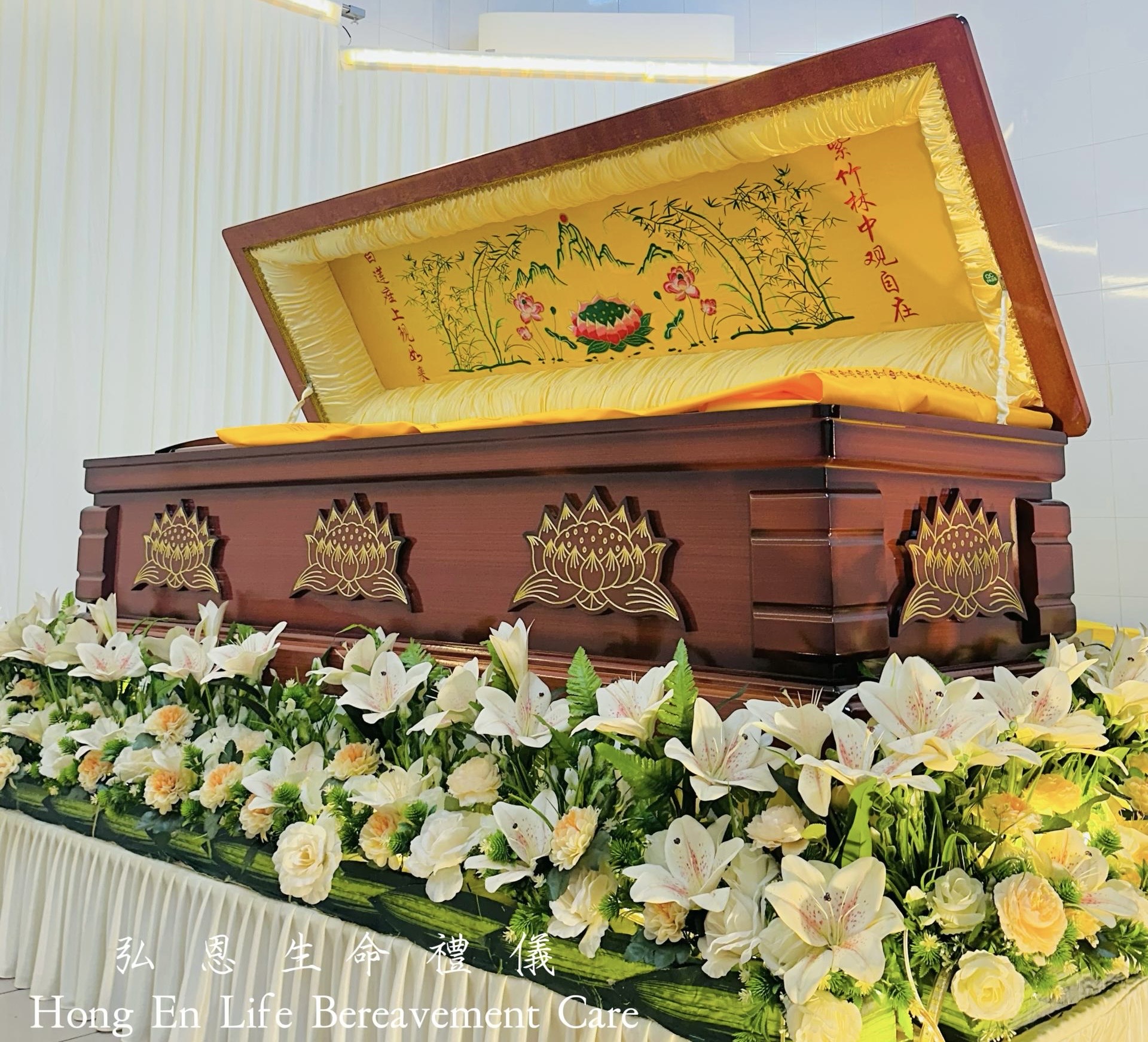
Etiquette for Attending a Christian Funeral
Attending a Christian funeral involves understanding and respecting the customs that guide this significant occasion. Guests should prioritize wearing appropriate attire, typically opting for dark, subdued colors to honor the deceased and their family. This choice reflects a solemn respect for the atmosphere of mourning.
Maintaining a respectful demeanor is equally essential; individuals should speak softly, avoid distractions, and remain attentive during services. Participation in prayers and hymns is encouraged, as it fosters a sense of community and shared grief.
Guests should also be mindful of personal space and the emotional state of others, offering support through presence rather than overwhelming the bereaved with conversation. By adhering to these guidelines, attendees can honor the life of the deceased while showing compassion for those in mourning.
Offering Comfort and Support to the Bereaved
While steering through the emotional landscape of grief, offering comfort and support to the bereaved is a crucial aspect of the mourning process. Effective grief support can manifest in various meaningful ways, fostering an environment of compassion and connection.
- Active Listening: Allowing the bereaved to express their feelings openly without judgment.
- Presence: Simply being there, offering a comforting silence or gentle companionship.
- Compassion Gestures: Small acts, such as preparing meals or sending thoughtful notes, can provide significant relief.
- Encouragement to Share Memories: Inviting the bereaved to reminisce about their loved one can help in processing their emotions.
These acts collectively create a supportive framework for individuals traversing their profound loss, affirming their feelings and honoring their journey.
Conclusion
In conclusion, Christian funeral services serve as a profound expression of faith, honoring the deceased while providing solace to the bereaved. Understanding key traditions and adhering to established etiquette fosters a respectful environment for communal grieving. By participating thoughtfully and offering compassionate support, attendees contribute to the healing process, reinforcing the bonds of love and unity during a time of loss. Embracing these practices guarantees that the memory of the departed is cherished and celebrated appropriately.
Be the first to comment.